
The 2026 UK Horse Racing Tax Reform: What Bettors Should Watch
 Available in US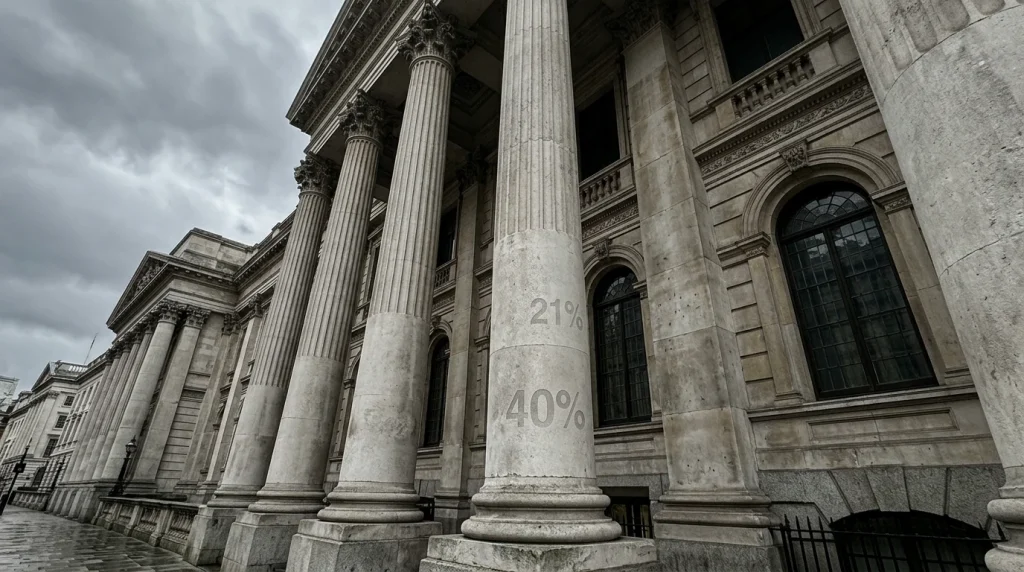
Contents
Why 2026 is the most important tax year for racing
Tax policy rarely makes the racing pages. Punters care about form, going, and odds — not Treasury white papers. But the tax changes taking effect from April 2026 will reshape the economics of UK betting in ways that eventually reach every punter’s experience, from the odds on offer to the promotions available and the long-term viability of the sport that generates those betting markets. Ignoring the reform is an option. Understanding it is an edge.
The 2026 Autumn Budget contained the most significant set of changes to gambling taxation since the shift from punter-level betting duty to operator-level taxation in 2001. Two rates are moving, one is staying the same, and the combination creates a new commercial environment for operators that will take years to fully play out.
Remote Gaming Duty: 21% to 40%
The headline change is the Remote Gaming Duty increase from 21% to 40%, effective from April 2026. RGD applies to the gross profits of remote gambling operators — primarily online casinos, slots, and virtual games. The rate nearly doubles, and for operators whose revenue is heavily weighted towards gaming products, the impact on profitability is severe.
Horse racing betting is not classified as a gaming product for RGD purposes. Racing falls under General Betting Duty, which has a separate rate and a separate trajectory. But the RGD increase matters to racing punters indirectly, because most UK sportsbooks operate integrated platforms that combine sports betting with casino and slots products. The increased tax burden on the gaming side will put pressure on overall operator margins, and that pressure will find its way into the sports betting product through some combination of reduced promotional spending, tighter odds, and fewer loss-leading offers like BOG and enhanced places.
How quickly punters feel the effect depends on competitive dynamics. If all major operators adjust simultaneously, odds will narrow across the board and the punter will have nowhere to arbitrage the difference. If one or two operators absorb the cost to gain market share, the short-term impact on odds may be modest. My expectation, based on previous tax adjustments, is a gradual tightening over 12 to 18 months rather than an overnight shift.
General Betting Duty: why racing was spared
General Betting Duty, the tax that applies directly to the profits from sports betting including horse racing, was scheduled to rise from 15% to 25% from April 2027. However, the government carved out an exemption for horse racing: GBD on racing bets remains at 15%, while the 25% rate applies to all other sports. The exemption reflects the unique funding relationship between betting and racing in the UK, where the horserace betting levy — a statutory charge on bookmakers’ racing profits — already channels money back into the sport.
The exemption is not guaranteed to be permanent. The government’s written statement confirmed the current rate with the language of stability — “we do not feel it is appropriate to pursue legislative changes at this time” — but left the door open for future reviews. For the next several years, though, racing betting is taxed at a lower rate than football, tennis, or cricket betting, which gives bookmakers a structural reason to maintain competitive odds on racing relative to other sports.
For punters, the GBD exemption is good news in relative terms. It means that the margin pressure from the RGD increase is less likely to be concentrated on racing products specifically. Operators will look to recover their increased tax costs from the products that carry the highest duty rates, and racing is not one of them. This could result in a modest shift of promotional spending towards racing markets, as operators seek revenue growth in the lower-taxed segment.
The Levy debate and the BHA’s position
Running alongside the tax reform is the parallel debate about the horserace betting levy. The government concluded a three-year review of the levy in March 2026 and confirmed that the rate would remain unchanged at 10% of bookmakers’ gross profits on racing bets. The BHA had lobbied for an increase, arguing that the gap between racing’s costs and the return it receives from betting has grown substantially.
The decision disappointed the racing industry. The BHA’s position, articulated publicly by chief executive Brant Dunshea, was that it took almost three years to determine there should be no change, and that British horse racing had engaged with the government in good faith, providing evidence of a growing funding gap. The levy produced a record income of approximately £109 million in the 2026-2026 financial year, but the BHA argues that this figure is insufficient to cover the sport’s infrastructure, welfare, and integrity costs.
The levy mechanism matters to punters because it directly funds the sport they bet on. Prize money, racecourse improvements, equine welfare, and integrity operations are all partly funded by levy income. If the levy fails to keep pace with costs, the quality of the racing product — field sizes, the number of fixtures, the calibre of competition — may decline over time, which in turn reduces the quality and diversity of the betting markets available.
What this means for prices and bonuses
The practical question for punters is whether the 2026 tax changes will make betting more expensive. The honest answer is: probably, but gradually and unevenly.
Odds are likely to tighten marginally across the board as operators rebuild margins eroded by the RGD increase. The effect will be most noticeable in the gaming segment — casino bonuses and slot promotions are likely to become less generous — but some spillover into sports betting is inevitable, particularly for operators that cross-subsidise sportsbook promotions with gaming revenue.
BOG, free bets, and enhanced-places promotions are all cost items that operators fund from their margins. As margins come under pressure, the scope and frequency of these promotions may narrow. BOG is unlikely to disappear — it is too deeply embedded in the UK racing betting experience — but operators may restrict the timing windows, lower the maximum stakes that qualify, or exclude certain meetings from the offer.
UK punters do not pay tax on their winnings. This has been the case since the abolition of the 9% betting duty in 2001, and nothing in the 2026 reform changes that. The taxes discussed here are levied on operators, not punters. But the operator passes the cost through in the form of less favourable odds and fewer promotions, so the economic incidence — the person who ultimately bears the cost — is shared between operator and customer.
For the value-conscious punter, the appropriate response is not to bet less but to shop harder. When margins tighten, the gap between the best price and the worst price on a given horse widens in relative terms, because some operators will absorb more of the tax cost than others. Odds comparison — already a core discipline for any serious punter — becomes even more important in a higher-tax environment.
Tax-reform FAQ
Articles
Created by the "bethorseracingonline.com" editorial team.
